

Knitting is a lot like grammar — you want to know the rules before you break them. The same is true when it comes to catching floats in your colorwork.
What are floats, anyway?
Floats are those little bits of unknit yarn you end up with on the wrong side of your work when knitting stranded colorwork. They happen when you switch from one color to another to create your motif. For instance, if you’re working a pattern that calls for pink as your main color and green as your contrast color, and you need to create three green stitches, your pink yarn will “float” across the back of those three stitches before it’s picked back up and knit again.
When you catch a float, you’re essentially trapping it with your working yarn to help secure it against the back of your knit fabric. This helps prevent snags on things like stockings, socks, and sweaters, but it’s not always all it’s cracked up to be. For one thing, catching floats too often can create an overly dense fabric, resulting in little to no stretch and less breathability. A less experienced knitter might think it’s better to catch floats too often as opposed to not often enough, only to be rudely awakened when they finish their project and find that it doesn’t quite look or fit the way they intended. Likewise, if you don’t take care when catching your floats, you might find that your floats end up being visible on the right side of your fabric, muddling an otherwise beautiful colorwork motif.
When to catch floats
Float management is often dependent on the type of project you’re knitting, as well as the gauge and yarn thickness you’re working with. It’s also largely up to personal preference. I’m much more likely to catch floats on a worsted-weight stocking than I am on a fingering-weight sock.
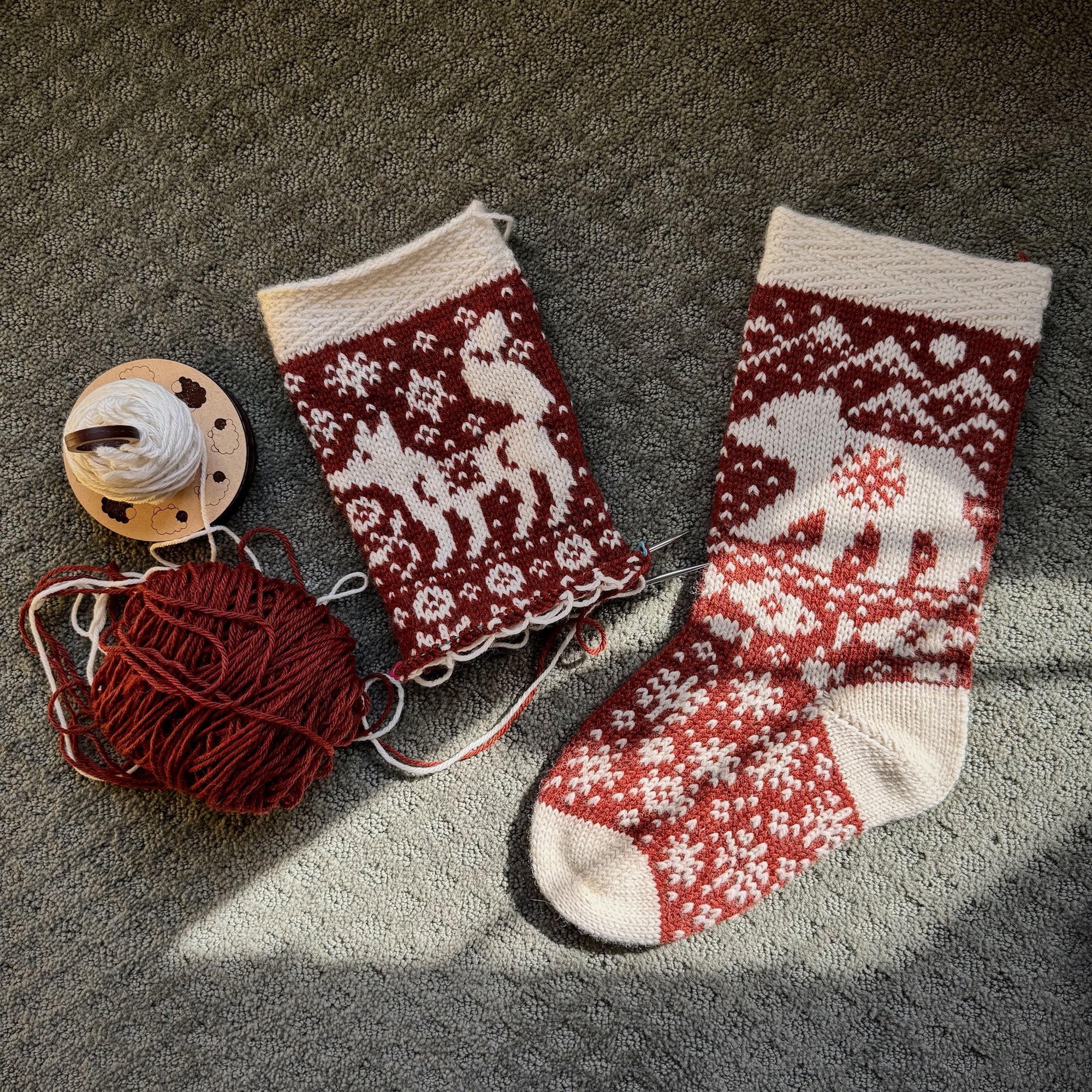
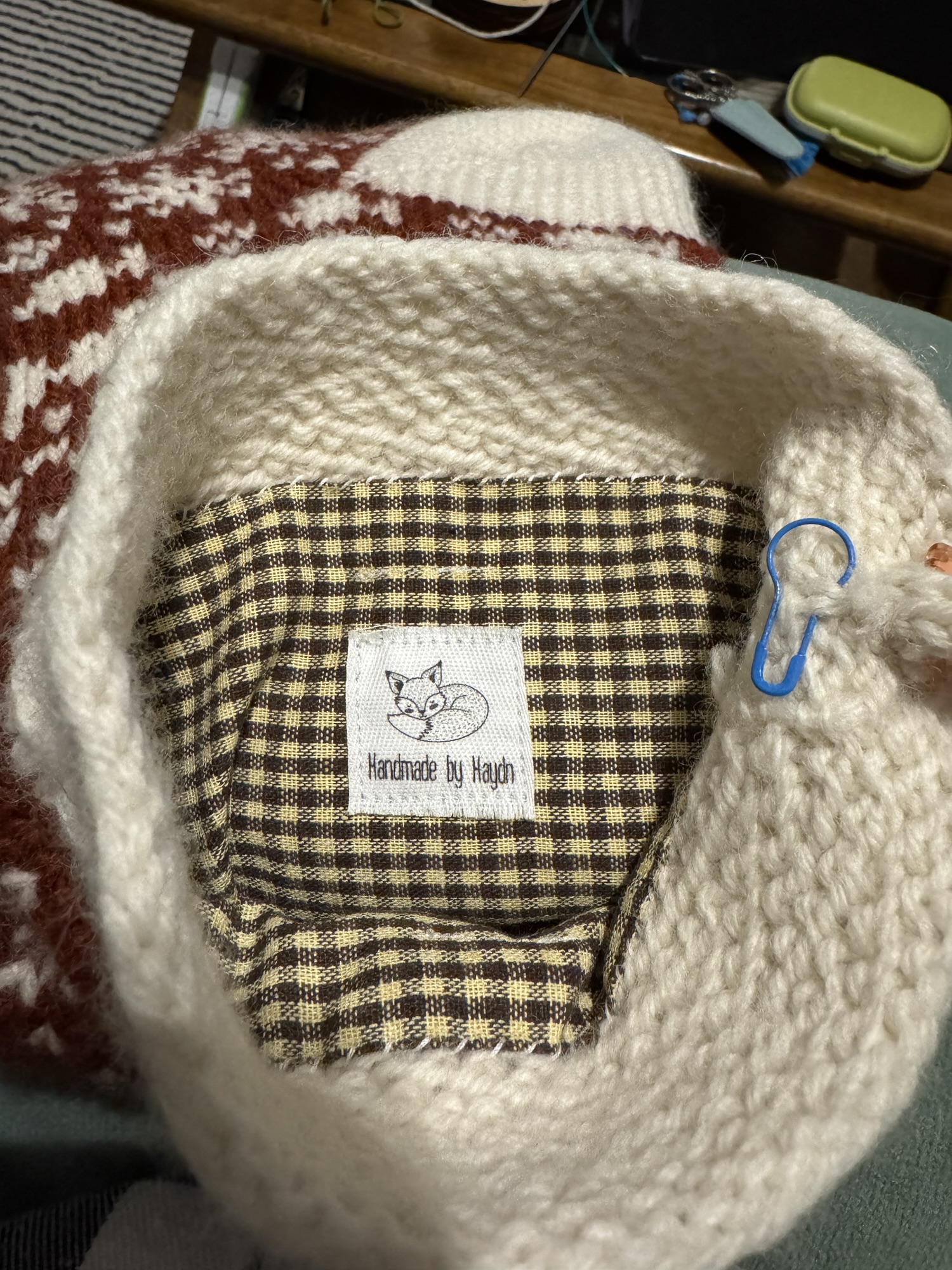
When it comes to my own knitting, I try to consider the overall function of the project I’m working on. For stockings, since I know those will be filled with *stuff* and ideally last well into heirloom-hood, I make a point to catch floats every 7 or so stitches to help prevent snags. I prefer the ladderback jacquard method for this, as it maintains most of the fabric’s stretch while promoting even tension and keeping the right side looking pristine. I also like to sew a lining into all my stockings to further protect my floats.
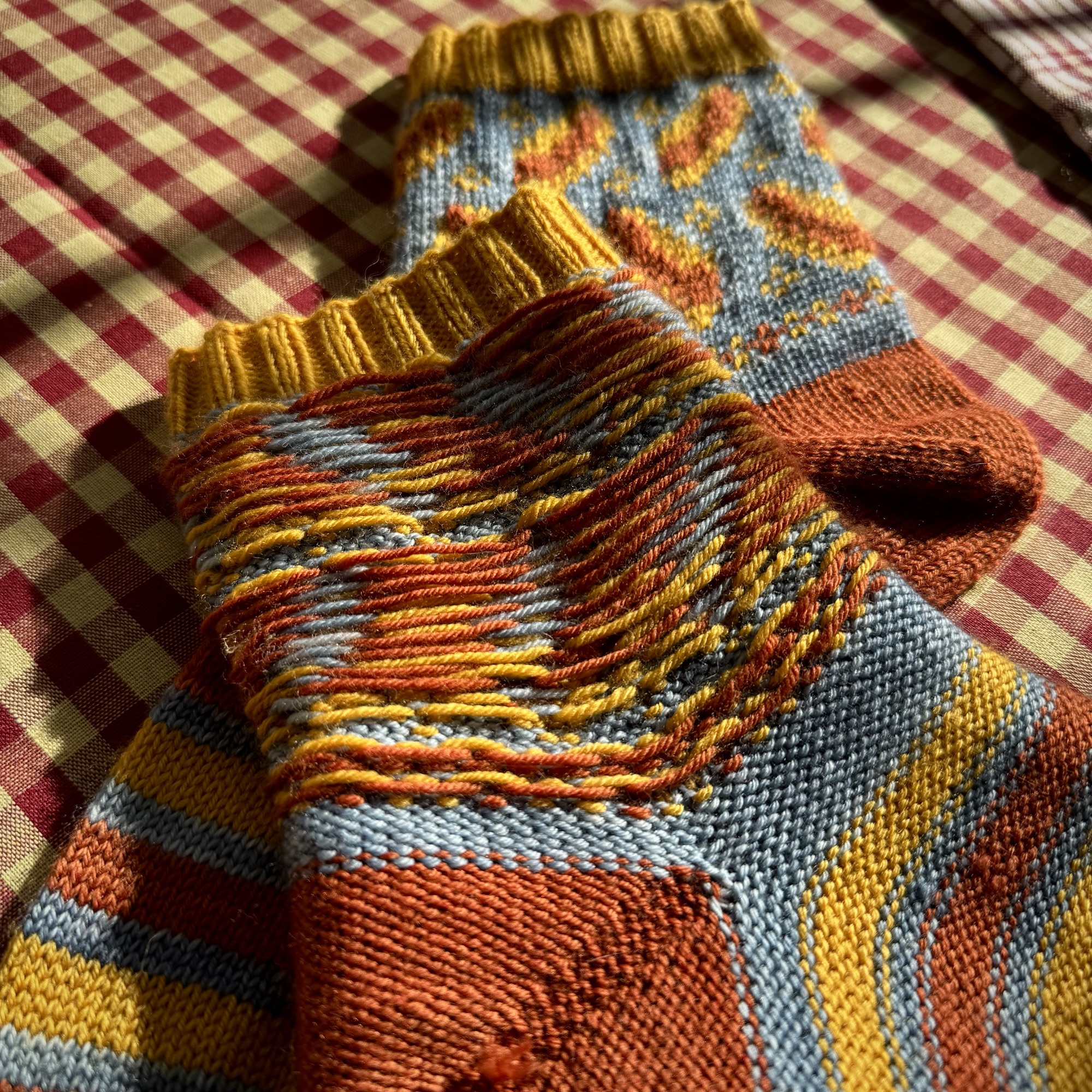
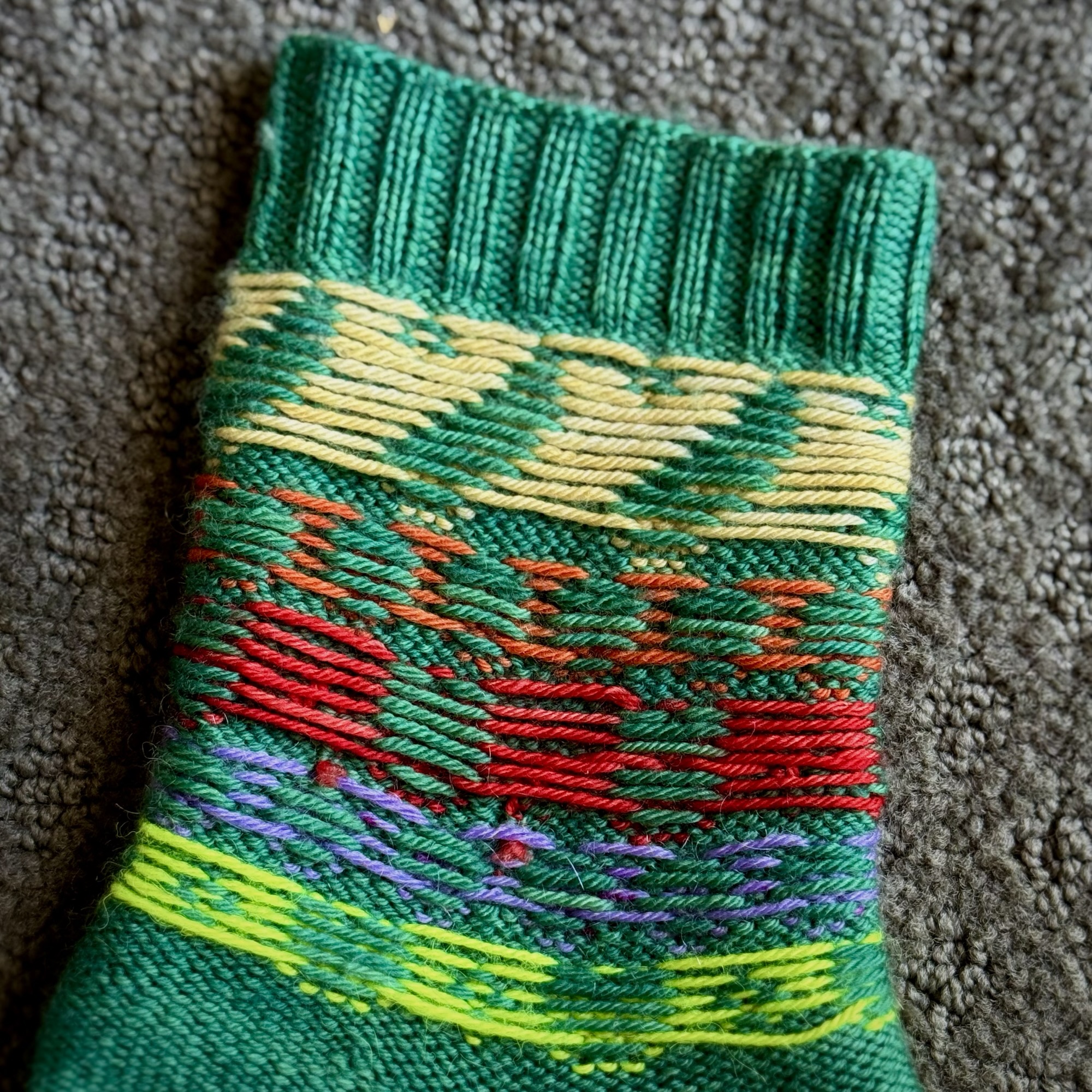
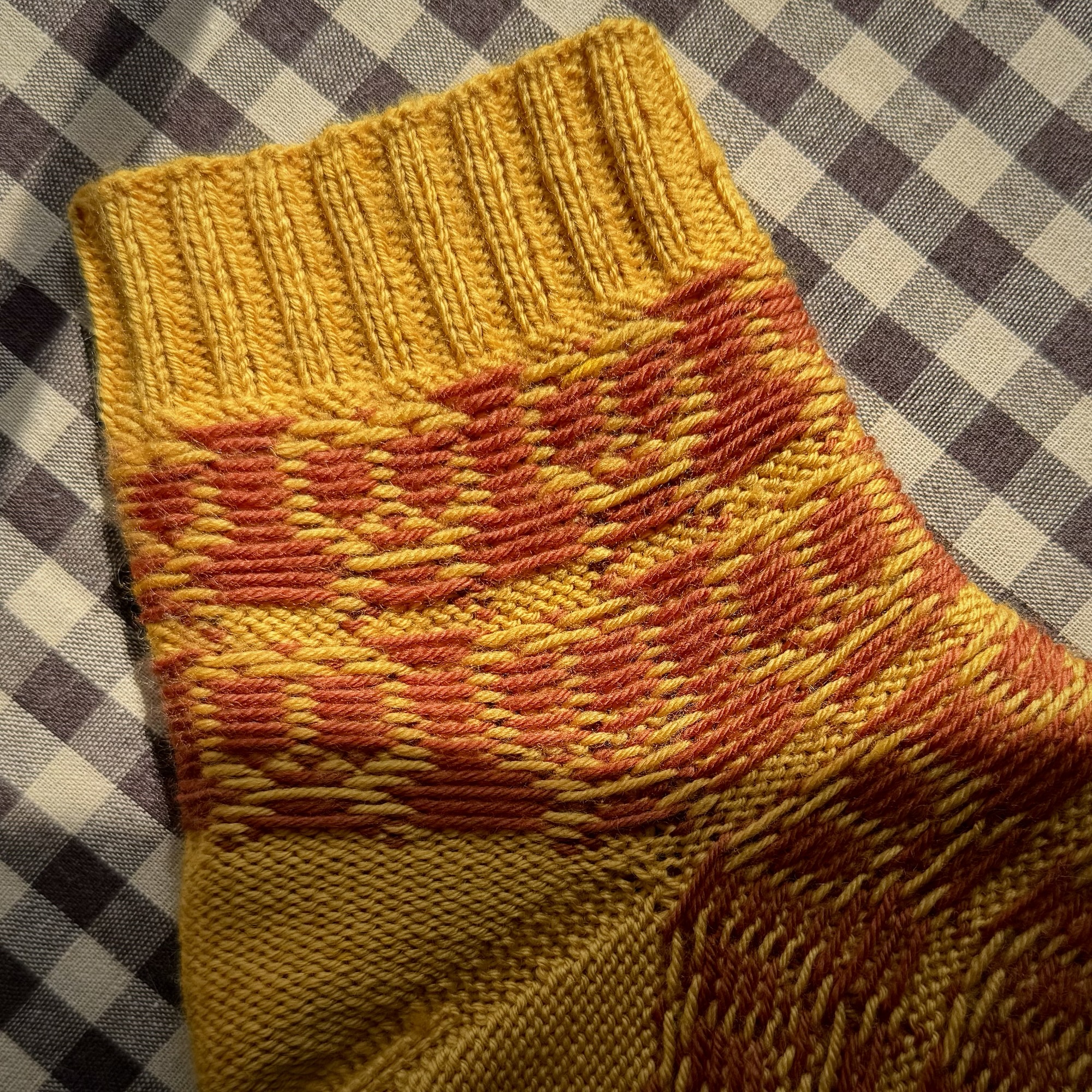
I handle floats on my socks much differently. They’re knit on a much smaller scale (fingering as opposed to the worsted weight of most of my stockings), and it’s much more important for me to maintain their stretchiness so they’ll fit properly over my instep. I also know from experience that I don’t tend to snag my toes on floats even when they’re long, so I opt not to catch them at all if I can avoid it. For the most part, I only catch sock floats if they’re longer than 12–13 stitches.
Placement of colorwork also makes a difference in how I manage my floats. If I only have colorwork near the cuff of a sock, for example, I’ll let floats fly freer than I would if the colorwork continued through the leg and foot. On sweaters, I’ll catch floats more often on sleeve cuffs and yokes because I know my fingers and jewelry are more likely to create snags in those areas. Conversely, I’ll catch floats less often on colorwork near the hem, because I’m less likely to snag anything in that area.
The bottom line
Remember that your mileage may vary, and the way you choose to manage your floats might not match the way I manage mine. You might wear belts that make catching floats near the hem of your sweater a necessity, or you might not wear a lot of jewelry and therefore don’t have to worry as much about catching floats at the yoke. Context is key!
The same goes with all of your projects, socks included — although I do try to take care to ensure that all of my published sock patterns support free-hanging floats. At the end of the day, you just want to make sure that your knitting works for you and not the other way around. If you’re someone who avoids colorwork because you hate catching floats or think it makes your work look “messy,” it might be worth revisiting whether you even needed to catch all those floats in the first place. Or, maybe you just need to try a different method for catching floats (you really can’t go wrong with ladderback jacquard).
Yes, I am somewhat of a long float apologist, but my main point is this: Floats aren’t evil, context matters, and you shouldn’t be afraid to try multiple float management techniques so you can know what works best for you. Experiment! Have fun! At the end of the day, it’s your knitting, and who knows better how they’ll use it than you?
 Fox & Fleece
Leave a comment